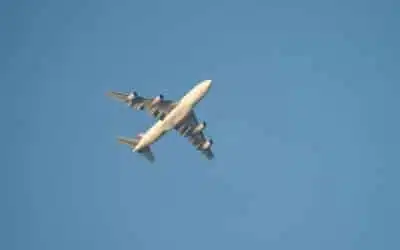
From the heart of Dubai’s logistics hub to the trade gateways of Kazakhstan, speed and security drive a booming commercial corridor across industrial equipment, automotive parts, electronics, retail, pharmaceuticals, and oil and gas.
For businesses shipping to Almaty, Astana, Aktau, or Shymkent, air freight has become the ultimate solution to avoid costly supply chain delays, slashing transit times from weeks (via sea or road) to just a few days. As demand for reliable Freight from Dubai to Kazakhstan continues to grow, companies are increasingly relying on Dubai’s advanced logistics infrastructure and streamlined customs procedures to move goods quickly and securely across Central Asia. This mode of transport is especially vital for tight retail deadlines, temperature-sensitive medical cargo, and urgent industrial parts, while experienced freight forwarders help ensure smooth, error-free documentation and delivery throughout the region.
Air freight is commonly used for:
- Urgent commercial cargo
- High-value electronics
- Medical products and pharmaceuticals
- Automotive spare parts
- Fashion and retail inventory
- Oil and gas equipment
- Machinery components
- E-commerce shipments
- Sensitive or fragile goods
Many companies also choose air freight because it provides stronger cargo security and a lower risk of damage compared to longer, multi-modal transportation methods.
Main Air Freight Routes from Dubai to Kazakhstan
Cargo from Dubai is commonly transported through major UAE airports with connections into Kazakhstan’s leading commercial cities. The final routing depends on cargo type, urgency, airline capacity, and customs requirements.
| Origin Airport | Destination City | Common Cargo Type | Typical Shipping Purpose |
| Dubai International Airport | Almaty | Electronics, retail goods | Commercial distribution |
| Dubai World Central | Astana | Industrial equipment | Infrastructure and projects |
| Sharjah International Airport | Aktau | Oil and gas support cargo | Energy sector operations |
| Dubai International Airport | Shymkent | Automotive parts | Manufacturing support |
| Dubai World Central | Karaganda | Machinery and tools | Industrial supply chain |
Businesses often select routes based on airline schedules, customs processing efficiency, and delivery urgency rather than simply choosing the nearest airport.
How the Air Freight Process Works?
Understanding the shipment process helps businesses reduce delays and prepare cargo properly before dispatch. Many shipping problems occur because documentation, packaging, or customs requirements are handled incorrectly at the origin.
1. Cargo Assessment and Booking
The freight forwarder reviews the shipment dimensions, weight, cargo category, and urgency. This stage determines whether the cargo should move through standard air freight, express cargo, or specialized handling services.
Important details reviewed include:
- Gross and volumetric weight
- Cargo dimensions
- Commodity type
- Dangerous goods classification
- Temperature requirements
- Import regulations in Kazakhstan
Proper planning at this stage prevents unexpected costs and customs issues later.
2. Documentation Preparation
International air cargo requires accurate documentation. Missing or incorrect paperwork is one of the most common causes of delays at Kazakhstan customs checkpoints.
Typical shipping documents include:
- Commercial invoice
- Packing list
- Air waybill
- Certificate of origin
- Import permits when required
- MSDS for hazardous materials
Experienced freight forwarders usually verify all paperwork before cargo departure to minimize clearance risks.
3. Cargo Handling and Export Clearance
After documentation approval, the cargo is transported to the airport cargo terminal for security screening, export customs clearance, and airline acceptance. Sensitive cargo may require specialized packaging, palletization, or temperature-controlled storage before loading.
For high-value shipments, additional security procedures may also apply during handling and transit.
4. Flight and Transit Operations
Cargo is loaded onto scheduled or consolidated flights, depending on the shipping model selected. Some shipments move through direct routes, while others transit through regional hubs before arriving in Kazakhstan.
Freight forwarders typically provide shipment tracking during this phase so businesses can monitor progress and prepare for customs clearance before arrival.
5. Import Clearance and Final Delivery
Once the shipment arrives in Kazakhstan, customs authorities inspect documents and cargo details before release. After clearance, the shipment moves to the consignee through local transportation networks.
Efficient coordination between the UAE freight forwarder and the Kazakhstan customs broker plays a major role in preventing delays during this stage.
Commercial Industries That Frequently Ship to Kazakhstan
Kazakhstan imports a wide range of commercial and industrial products from Dubai and the wider UAE market. Air freight supports many sectors that require fast replenishment or secure transport conditions.
Oil and Gas Industry
Kazakhstan’s energy sector frequently requires urgent delivery of tools, machinery parts, drilling equipment, valves, and technical components. Operational downtime in this industry can create major financial losses, making air freight a preferred solution for emergency shipments.
Retail and E-Commerce
Retail businesses use air freight to replenish inventory quickly during seasonal demand spikes or promotional campaigns. E-commerce sellers also rely on fast international shipping to maintain customer satisfaction and reduce delivery waiting times.
Automotive Sector
Vehicle distributors and repair operations often require rapid access to spare parts from UAE suppliers. Air freight helps minimize vehicle downtime and supports continuous workshop operations.
Medical and Pharmaceutical Supply
Hospitals, clinics, and pharmaceutical distributors frequently use air cargo for temperature-sensitive products, medical devices, and urgent healthcare supplies. Reliable handling procedures are critical in this category.
Factors That Affect Air Freight Operations
Shipping costs and delivery performance are influenced by multiple operational factors. Businesses that understand these variables can make better logistics decisions and avoid unnecessary disruptions.
Key factors include:
- Cargo dimensions and volumetric weight
- Type of goods being transported
- Airline cargo availability
- Seasonal shipping demand
- Customs inspection requirements
- Packaging standards
- Delivery urgency
- Airport congestion
- Dangerous goods handling requirements
Large but lightweight cargo may be charged based on volumetric calculations rather than actual weight, which is important during shipment planning.
Customs Challenges Businesses Often Face
Kazakhstan customs procedures can become complicated when shipments are poorly prepared. Many delays are caused by documentation mismatches, incorrect HS codes, incomplete invoices, or non-compliant packaging.
Common customs problems include:
- Incorrect cargo declarations
- Missing import licenses
- Poorly translated documents
- Inaccurate commodity descriptions
- Non-compliant labeling
- Undervaluation issues
Working with freight specialists familiar with Kazakhstan import procedures helps reduce clearance complications significantly.
The Importance of Proper Cargo Packaging
Air cargo moves through multiple handling points before delivery. Weak packaging increases the risk of damage, customs inspection problems, and shipment rejection.
Commercial exporters should use:
- Strong export-grade cartons
- Industrial pallets
- Moisture-resistant wrapping
- Shock protection materials
- Proper labeling systems
- Secure sealing methods
Fragile electronics, medical products, and industrial components often require customized protective packaging solutions.
FAQ
Transit time depends on flight schedules, cargo type, customs processing, and destination city. Direct and priority shipments are generally much faster than multi-modal transport options.
Common shipments include electronics, medical supplies, automotive parts, industrial equipment, retail inventory, machinery components, and urgent commercial cargo.
Yes, but dangerous goods must comply with international air cargo regulations. Proper classification, packaging, labeling, and documentation are required before shipment acceptance.
Air freight can handle heavy cargo, but shipment feasibility depends on aircraft capacity, cargo dimensions, and operational requirements. Specialized solutions may be required for oversized freight.
Typical documents include a commercial invoice, packing list, air waybill, certificate of origin, and any product-specific import permits required by Kazakhstan authorities.
Businesses typically choose air freight when shipment speed, cargo security, inventory continuity, or urgent operational requirements are more important than lower transportation costs.